properly installed satellite television system helps you enjoy your favourite channels with fewer interruptions. Whether you are setting up television in a new home, adding another viewing point or moving your equipment to a different room, careful installation makes a difference to signal quality and everyday convenience. Professional DStv installation involves more than mounting a satellite dish. The installer needs to assess the dish position, secure the mounting brackets, align the dish correctly and check the cable connections. These steps help establish reliable reception and reduce problems caused by poor alignment or loose connections.
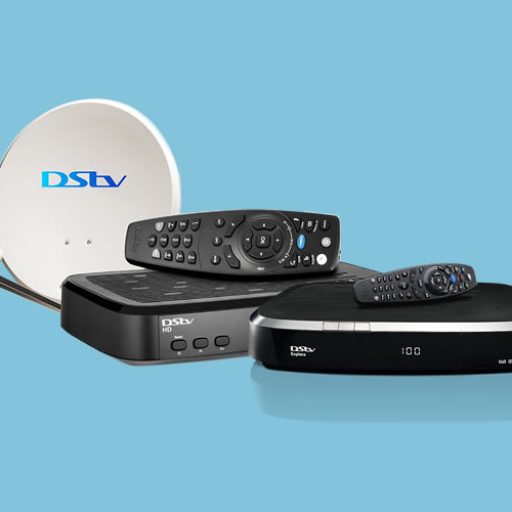
New Satellite Dish Installation
A new satellite setup starts with selecting a suitable position for the dish. The location should provide a clear line of sight to the satellite and allow the dish to be mounted securely. Nearby buildings, trees and other obstacles may interfere with reception.
The installer also considers the roof or wall structure, cable route and accessibility for future maintenance. Once the mounting point is prepared, the dish is secured and aligned using appropriate signal-testing equipment.
A professional DStv installation should include checking the received signal, inspecting the cable connections and confirming that the decoder can access the expected services. The final setup should be suitable for the property’s layout and viewing requirements.
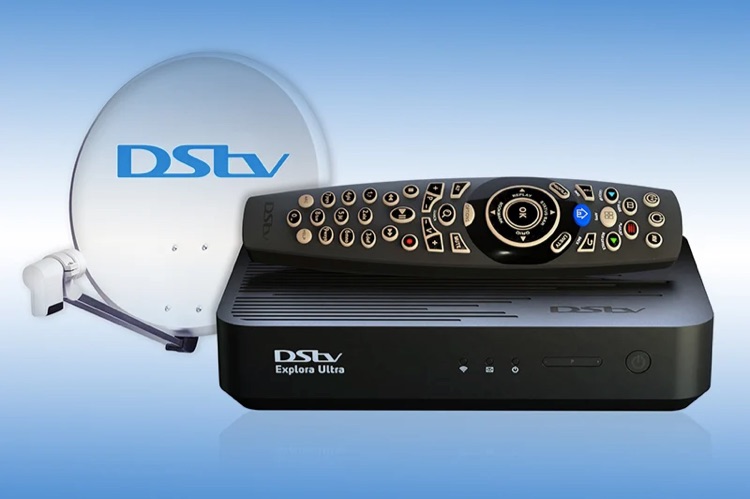
Decoder Setup and Configuration
The decoder manages channel access and delivers television content to your screen. Different decoder models have different features, connection options and configuration requirements.
During installation, the technician checks the decoder connections, connects the satellite feed and helps confirm that the television displays the correct picture. Where necessary, the setup may include basic configuration, software checks and guidance on using the remote control.
If you already have a decoder, tell the installer which model you use and whether it has been connected to a satellite dish before. This information helps determine the equipment and configuration needed for your DStv installation.
Extra TV Points and Additional Viewing Rooms
Some households want television access in more than one room. An additional viewing point can provide a convenient way to watch television in a bedroom, lounge or entertainment area without moving the main setup.
The best arrangement depends on the decoder model, the number of televisions and whether viewers need to watch different channels independently. Certain configurations require compatible equipment and additional cabling.
Before adding a viewing point, have the existing satellite system inspected. The installer can explain the available options, identify any equipment requirements and provide a quotation for the work.

Explora and Other Decoder Installations
Decoder models differ in their supported features and installation requirements. An Explora setup, for example, may need compatible satellite equipment and the correct configuration to support its functions.
The condition of the existing dish, LNB, cables and connectors should be checked before connecting a new decoder. Reusing existing equipment may be possible if it is suitable and working correctly, but damaged or incompatible components may need attention.
A technician carrying out DStv installation should verify compatibility before beginning the work. This helps avoid unnecessary purchases and ensures that the setup matches the decoder’s requirements.