Setting up satellite television requires the right equipment, a suitable dish position and careful attention to signal quality. Whether you have moved into a new home, are connecting a decoder for the first time or need to improve an existing setup, a properly planned installation can help you enjoy a more dependable viewing experience. Professional DStv installation Observatory services can accommodate different property layouts and television requirements. From a single television in a lounge to additional viewing points in other rooms, the installation should be planned around your equipment, available space and preferred viewing arrangement
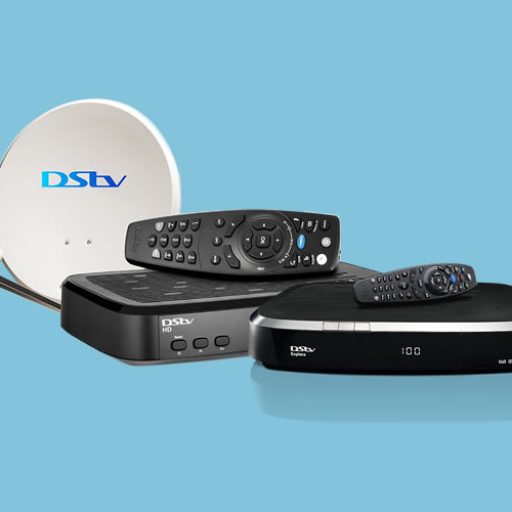
Satellite Television Setup in Observatory
Properties in Observatory can have different installation requirements depending on their design, surrounding buildings and existing satellite infrastructure. Some homes may need a completely new dish, while others may already have cabling or mounting equipment that can be reused. The first step is to inspect the property and identify a suitable location for the dish. The installer should check for obstructions, assess the mounting surface and plan a practical cable route to the decoder. A site assessment helps determine the materials and labour required before work begins. It also makes DStv installation Observatory easier to organise by identifying potential access restrictions or installation challenges in advance.
Installing a New Satellite Dish
A satellite dish needs a stable mounting position and an unobstructed line of sight to the satellite. Buildings, trees and other obstacles can interfere with reception if they block the signal path.
The installer secures the mounting bracket, fits the dish and aligns it using appropriate signal-measuring equipment. The LNB and satellite cable are then connected according to the requirements of the system.
Once the dish is aligned, the decoder is connected and the signal is tested. The installer should check that the equipment receives an adequate signal and that the television displays the expected picture before completing the job.
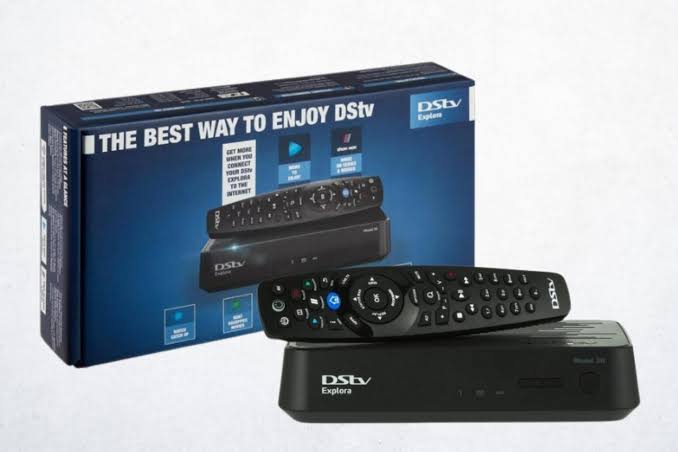
Decoder Connection and Setup
The decoder receives the satellite feed and processes it for display on your television. The correct setup depends on the model, available connections and features you want to use.
During DStv installation Observatory, the technician can connect the decoder, check the cable connections and assist with basic configuration. If you are using a decoder from a previous property, its compatibility with the existing dish and LNB should be confirmed.
It is helpful to provide the decoder model when requesting a quotation. This allows the installer to assess whether the current equipment is suitable or whether additional components may be required

Extra Television Points for Your Home
Adding a television point to another room can make your viewing setup more convenient. You may want a second screen in a bedroom, guest room or entertainment area.
The available options depend on the decoder model, the number of televisions and whether each room needs to display different channels independently. Some arrangements require compatible equipment or additional cabling.
Before installation, decide where each television will be placed. The technician can then assess the cable route, explain the available configurations and provide a quotation for the required work.